

Body Psychotherapy Berlin – Feel safe and feel yourself
Body psychotherapy has established itself in Berlin in recent years. People with issues who “understand” everything but find themselves caught in the same old situations are searching for new options beyond the talk-based methods of classic psychotherapy. In particular, more and more expats and internationally active Berliners, people who are comfortable with seeking the services of a psychotherapist, are looking for “somatic psychotherapy Berlin”, “holistic therapy Berlin” or “mind body therapy Berlin Mitte”.
This post explains exactly what body oriented psychotherapy is, what makes it different from talk-only therapy and why the English-language offer of alternative practitioner Kate Abbott in GlowPraxisBerlin makes a huge difference for many people.
Body Psychotherapy in Berlin
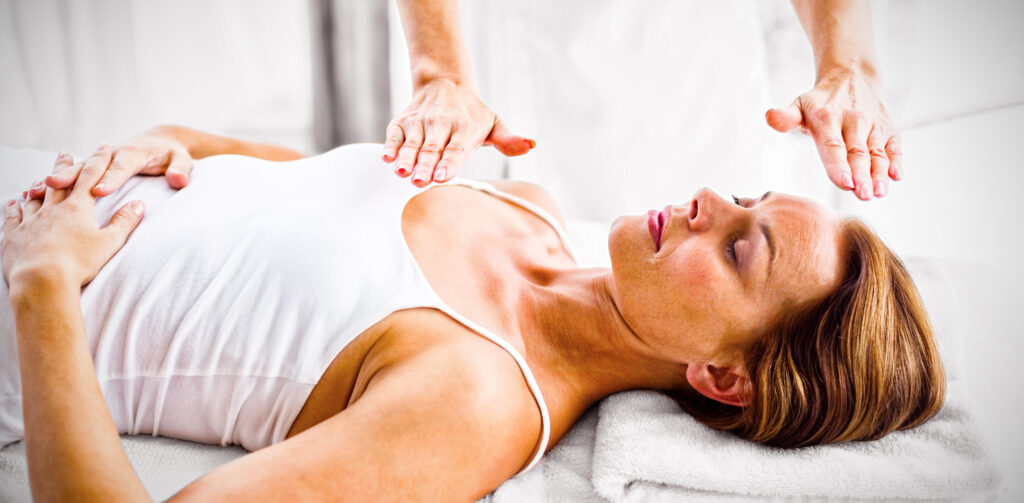
What exactly is Body Psychotherapy?
Body psychotherapy – also called mind body therapy – is based on a very simple realization: our body receives, transmits and archives information. Chronic stress, traumatic experiences, mental overload or events in relationships are all stored in our nervous system, muscles, respiratory system and body schema – sometimes long after the triggering event is “finally over”. If not released, what our body is storing also affects our psyche and the way we move in the world.
In classic talk-based psychotherapy, therapists focus on “the top”: on insight and understanding, reflection, interpretation and analysis, as well as behavioral modification. Somatic psychotherapy includes “down”: feeling, touch, breathing, movement and ultimately, autonomous self-regulation. In body psychotherapy, we talk but also include the body as a key resource in the process.
The issues that motivate people in Berlin to frequently look for body psychotherapy include:
-
Chronic stress, exhaustion or burnout, long-term fatigue
-
Psychosomatic symptoms like muscle tension, headaches, stomach pains, etc. without a clear medical diagnosis
-
The effects of early childhood development trauma and adverse childhood experiences
-
Relationship or attachment issues and recurring (unsatisfactory) patterns in partnerships
-
Feelings of inner emptiness, alienation, not being at home in your body and dysmorphia (or simply hating one’s body)
The methods of body psychotherapy are as varied as the indications listed above. They range from manual physical bodywork to clear psychotherapeutic formats with a focus on trauma therapy. At GlowPraxisBerlin I consciously work in the psychotherapeutic field: biodynamic body psychotherapy with a focus on identity, relationship, attachment and trauma.
Why classic talk-oriented psychotherapy alone is sometimes not enough
People who are searching for “somatic psychotherapy Berlin” or “body therapy vs. psychotherapy” in Berlin have often completed long phases of classic psychotherapy, can describe their behavior patterns, are familiar with their “inner parts”, mental models and cognitive structures, but in certain situations “still react like they always have.” Their nervous system seems to run on auto pilot – and from the neurobiological perspective this is entirely plausible. Trauma, chronic stress and overload are mainly stored on deep levels of the nervous system. Fight, flight and freeze – these alarm states are primarily physiological reactions. This applies to traumatic shock events, as well as years-long micro stress, emotional neglect and recurring shame. Merely understanding what happened is often not enough to reach the “frozen” trauma pattern. Cognitive insight does not help a body that has never been able to experience that an (old) alarm state can be safely released and regulated. This is where body psychotherapy comes into play.
Body Psychotherapy – a simple explanation
People who google “somatic psychotherapy Berlin” for the first time encounter a flood of alternative therapy methods and technical terms: polyvagal theory, Somatic Experiencing, Biodynamic Psychotherapy, Embodiment and nervous system regulation for example. However, they all have a few principles in common that are easy to describe:
-
They work with the body such that it reacts to stress differently, learns to regulate its nervous system more efficiently, is more aware of feeling safe and can use more of its resources to handle triggers. During sessions that focus on carefully calibrated sensory exercises, breathing and, when suitable, mindful touch, your nervous system learns to move more freely between activation and relaxation. Instead of being stuck in “red alert” mode or shutting down, your body finds alternative ways to move between states.
-
Familiar patterns are identified and worked with at their roots: in the somatic area. If you tend to withdraw in relationships, for example, your body usually makes this obvious. Contact avoidance, shallow breathing, rounded shoulders are all signs, as well as a tendency to mentally drift away. Body psychotherapy takes these signs as a point of departure for change.
-
Of course we need to talk. Body psychotherapy is much more than “just massage” or “touch only.” In an informed approach like the one practiced in GlowPraxisBerlin, talking, processing and lived experience remain closely intertwined with bodywork. We do not strive for “sudden breakthroughs” but instead for gradual reorganization – always aware of the body and the self.
Berlin is special: International clients book body psychotherapy in English
In Berlin, many people live, love and work in a language that is not their native language. At the same time, these people are often treated in a German-language physician’s practice, have to complete forms in German or struggle to find a word for something that can only be described vaguely.
For many expats, an “English speaking therapist Berlin” is therefore extremely relevant. Particularly in terms of working with inner states, traumatic imprints from childhood and topics around shame, it helps people to use the language in which they can express themselves best and most precisely. In psychotherapy, we talk about the nuances of emotions and situations.
In Berlin-Mitte there is a space that explicitly meets these needs: alternative practitioner Kate Abbott has worked with English-speaking, sometimes international clients since 2019. English is her native language, but she also works in German. This makes GlowPraxisBerlin – Heilpraxis Kate Abbott the first point of contact for body psychotherapy Berlin in the English-speaking context.
How does body psychotherapy (the Boyesen biodynamic method) work?
Body psychotherapy is a generic term. My work at GlowPraxisBerlin is based on the methods of biodynamic body psychotherapy that Gerda Boyesen developed as a combination of depth psychology and body-oriented worked. The practice focuses on these things in particular:
The interplay among the autonomous nervous system, the connective tissue and lymphatic systems and the emotions. Tension, digestion, breathing and cardiovascular reactions are viewed as direct forms of expression of mental states.
Using touch, for example in biodynamic massage, relieves the muscular tension pattern – the armor the body builds up as protection against the perceived world – and improves psychoperistalsis – the gut’s action of “digesting” and releasing emotional stress and nervous tension. Here, touch is part of the psychotherapeutic process and not a wellness treatment.
Biodynamic body psychotherapy is a gentle, mindful therapy method suitable for relieving the effects of trauma. This means it does not rely on “exposition” but instead the therapist works appropriately and resource-based while closely observing the client’s boundaries and the timing of the process.
In GlowPraxisBerlin, for example, clients in the grip of trauma experience touch as being very slow and something they can choose to permit. If touch is too threatening, the therapist can use a verbal and perception-based approach. Safety and security are more important than speed!
Body Psychotherapy vs. classic psychotherapy – is there a difference
Many people who search for “body therapy vs. psychotherapy” simply want to know which option could be the most useful for them. But the difference is not the same as “talking or feeling”. Traditional forms of psychotherapy, like cognitive behavioral psychotherapy or deep psychotherapy, are the core of the state-financed system for mental health in Germany. They are effective for specific states like depressive episodes, phobias and obsessive-compulsive disorders.
Body Psychotherapy is indicated fort he following situations in particular:
-
Symptoms are clearly expressed in the body but medical examinations cannot deliver an adequate explanation
-
Traumatic experiences cause lasting symptoms in the nervous system
-
Patients determine that “just talking about the situation” is no longer productive
-
Self-image or identity, the ability to participate in a fulfilling relationship or feel safe in the world is impaired
By offering body psychotherapy, Heilpraxis Kate Abbott – GlowPraxisBerlin follows a long-term, profound approach that does not aim to soothe troubling symptoms. Instead, the focus is adapting the client’s self-image to their present reality, achieving a satisfactory level of social contact and becoming conscious of the feeling of being safe in oneself.
What does a typical session in GlowPraxisBerlin look like
When people who don’t know anything about body psychotherapy search in Berlin-Mitte for a therapist for the first time, they usually want to know: What will it do for me?
The approach in the practice of Kate Abbott can begin with a free, twenty-minute session online or on the telephone. It is not a mini coaching session – instead, both parties check whether or not the chemistry fits, find out a bit about the issue or challenge and whether English or German is the better language for talking and explaining. If both agree to work together, sessions take place at regular intervals. The first session normally lasts for 90 minutes and currently costs 140 euros. After that, one hour should be enough at a cost of 95 euros. Where does the work take place? There are two options:
-
My practice is in Berlin-Mitte, between Alexanderplatz, Rosa-Luxemburg-Platz and Hackische Höfe. Here in a private atmosphere, it is possible to talk, do body psychotherapy work or experience a biodynamic massage.
-
Online via Zoom. Touch is impossible online, but we can talk, explore physical reactions, learn self-regulation techniques and more.
As part of the session, we usually talk about what is going on right now: Have you recently experienced situations that seem to trigger the symptoms or make you more aware of them? Are you struggling to connect with your partner in a satisfying way? Where do you feel and hold tension? Is this new or something old that you want to change? Kate Abbott guides you to be aware of your body in this context: Where do you feel that in your body? How do you breathe when you describe the situation? What happens to your posture, your shoulders, your hands?
Depending on the issues and in consultation with the client, I introduce body psychotherapy techniques, be it massage for stress release or body activation, exercises to help the client to become physically aware of their personal space and boundaries, spiritual journeys and more. Each session is individual; what happens in each session is verbally supported and reflected upon. The pace is slow to give the body time to process what is happening and say “Stop” if something becomes too scary or too much.
Who should make an appointment with GlowPraxisBerlin?
Since 2019, in particular people with the following issues have come to GlowPraxisBerlin:
-
They have an outwardly successful yet inwardly exhausting biography.
-
They are suffering because of the long-term consequences of adverse childhood experiences.
-
They feel alone in their intimate relationships or partnerships, cannot fully enjoy them – or they have experienced a series of failed intimate relationships and are not happy about that.
-
They no longer feel like they know who they are.
-
They want to work through their very personal themes in their native language (English).
Above all, GlowPraxisBerlin offers skilled workers from abroad, people in creative professions and managers in responsible positions a space where their performance is not idealized and their discomfort is not dramatized – a space where they can soberly and respectfully find out what their bodies are telling them. What has their life done to their nervous system? What strategy did they learn and practice in order to survive and is it is still useful? And how can they learn to glow and thrive?
About costs and health insurance
Like most offerings around body psychotherapy Berlin, GlowPraxisBerlin is a private practice. Clients pay for their sessions out of pocket and can receive invoices if necessary. Currently, a 60 minute session costs 95 euros. Private health insurance or supplementary insurance for non-medical practitioners (Heilpraktiker) might partially or completely cover the cost.
If you have statutory health insurance: non-medical practitioners (Heilpraktiker) like Kate Abbott are not included in the standard program. This has advantages and disadvantages. The disadvantage ist hat the statutory insurance companies do not pay the costs of body psychotherapy for example. The advantages are immediate appointment availability, no time-consuming assessments and no limit on the number of overall sessions. Instead, clients have more freedom to take advantage of the methods of humanistic psychotherapy that are not available in the statutory health insurance system in Germany.
For many clients who come from abroad, this can be a bit confusing at first. But for many, the advantages outweigh the disadvantages: you avoid having to submit applications to your statutory insurance company in German. There is no month-long waiting period for an appointment. You can also benefit from the effects of body-oriented methods of treating trauma that are not available on statutory health insurance plans.
Why now: Body Psychotherapy in an exhausted Berlin
Berlin is a city of constant sensory overload: inhabitants from all over the world, precarious circumstances, a creative scene and tech boom, plus political and social tension. For many in Berlin, the resilience threshold is constantly exceeded: insomnia, diffuse anxiety, somatic symptoms without obvious causes and a general feeling of not being at home in your own body have become an underlying reality.
In this context, the increase in the number of searches for “somatic body therapy Berlin” and “best body psychotherapist in Berlin” is not surprising. The aim shouldn’t be to “restore the ability to function” but instead to feel completely at home “in your own skin” – to live your most vibrant life!
The therapy offered in this Body Psychotherapy Berlin Praxis in Berlin-Mitte is nothing like the “self optimization”, “healing with crystals”, “Reiki energy” and “shamanic journey” offerings available in the German market. The combination of fluent English, the primary focus on body psychotherapy and the basis established since 2019 occupies a niche in the body-oriented psychotherapeutic spectrum of offerings in international metropolis Berlin, which is growing in importance.
In what direction is Body Psychotherapy in Berlin developing?
Without a doubt, body-oriented approaches will play a much greater role in psychotherapeutic practice in the future. The body of research on the role of the human nervous system in the processes involved in stress management and living in the aftermath of trauma will grow. The gap between evidence-based and somatic will shrink. At the same time, the demand for “body psychotherapy Berlin” and English-language, culture-sensitive offerings in Body Psychotherapy Berlin will grow.
To everyone who has not felt sufficiently seen or understood in their body by practitioners of a traditional psychotherapeutic approach, the somatic approach in Berlin offers a knowledge-based, pragmatic solution. And for those with a non-German context of life and feel that they can find the way to being themselves in English, a professional like the English native-speaking Heilpraktiker Körperpsychotherapie Kate Abbott has become an important, embedded point of reference for renegotiating the connections between body, psyche and biography.
